The Top 10 Remodels That Increase Home Value
A St. Louis Homeowner's Guide to Remodeling Smarter, Not Just Bigger
Whether you're planning to sell your home in a few years or simply want to enjoy it today, not all remodeling projects deliver the same return on investment (ROI). The best remodels improve your daily life while also making your home more attractive to future buyers.
At Everstead Design + Build, we help homeowners make informed remodeling decisions by balancing beauty, functionality, and long-term value. Here are the ten remodeling projects that consistently provide the biggest return.
1. Kitchen Remodel
The Heart of the Home
If there's one room buyers notice first, it's the kitchen.
An outdated kitchen can make an entire home feel older, while an updated kitchen instantly elevates the perception of the entire house.
Focus your investment on:
Quality cabinetry
Quartz countertops
Functional storage
Modern lighting
Updated backsplash
Energy-efficient appliances
Pro Tip: You don't always need a complete gut renovation. Sometimes new cabinetry, countertops, lighting, and paint completely transform the space.
2. Bathroom Remodel
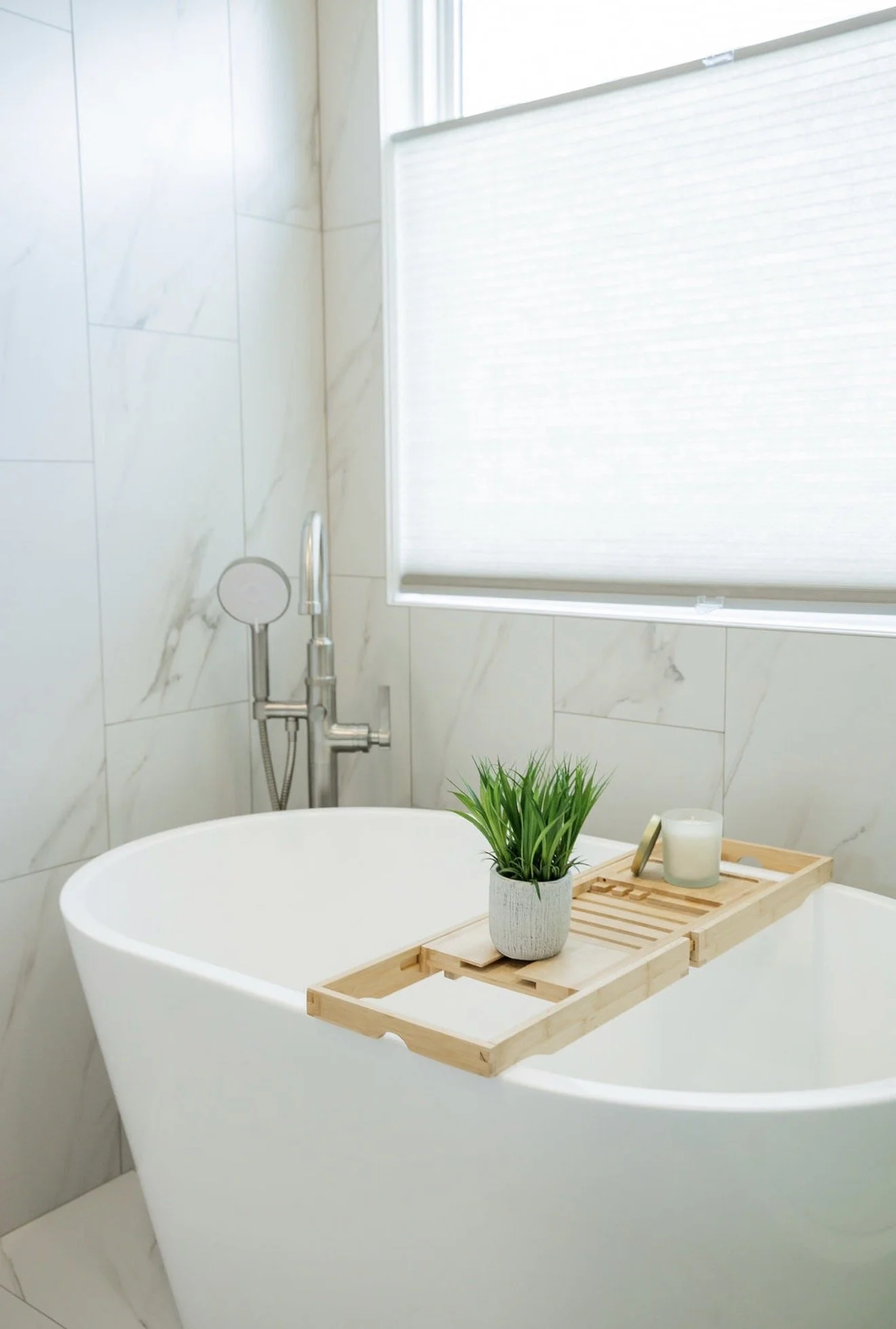
Bathrooms are one of the highest-impact spaces for resale.
Buyers love bathrooms that feel clean, bright, and spa-like.
High-value upgrades include:
Walk-in showers
Frameless glass
Double vanities
Quartz countertops
Large format tile
Modern plumbing fixtures
3. Refresh Your Kitchen with SwiftCoat Cabinet Refinishing
One of the most cost-effective ways to transform your kitchen is by updating your cabinets—without replacing them.
If your cabinet boxes are in good condition, SwiftCoat Cabinetscan give them an entirely new look with a durable, factory-quality finish. Pairing professionally refinished cabinets with new hardware, quartz countertops, and a modern backsplash can make a 20-year-old kitchen feel brand new for a fraction of the cost of a full cabinet replacement.
Why homeowners choose SwiftCoat Cabinets:
Save thousands compared to replacing cabinets
Keep solid cabinet boxes out of the landfill
Choose from hundreds of designer paint colors
Achieve a smooth, furniture-quality finish
Complete most projects in just a few days
This type of remodel offers an excellent balance of affordability and impact, making it one of the smartest investments for homeowners who want to increase home value while staying within budget.
Perfect for: Kitchens with a good layout that simply need a fresh, updated look.
4. New Countertops
Nothing updates a kitchen faster than replacing old laminate countertops.
Quartz continues to be one of the best investments because it's:
Durable
Low maintenance
Timeless
Highly desirable to buyers
5. Flooring Throughout the Main Living Areas
Consistent flooring makes an entire home feel larger and more cohesive.
Popular choices include:
Luxury Vinyl Plank (LVP)
Engineered Hardwood
Hardwood
Replacing multiple flooring types with one continuous floor creates a custom-home feel.
6. Fresh Interior Paint
Paint offers one of the highest returns for the lowest investment.
Choose warm neutral colors that appeal to a wide range of buyers while making your home feel clean and updated.
7. Lighting Updates
Lighting is often overlooked but dramatically changes how a home feels.
Updating:
Pendants
Chandeliers
Vanity lights
Recessed lighting
Under-cabinet lighting
can make an older home feel brand new.
8. Improve Storage
Storage sells homes.
Simple additions like:
Pantry organizers
Cabinet pull-outs
Deep drawers
Linen towers
Mudroom storage
make everyday life easier while increasing buyer appeal.
9. Primary Bathroom Upgrades
Today's buyers are looking for more than just a bathroom—they're looking for a retreat.
Features like:
Large walk-in showers
Heated floors
Freestanding tubs
Built-in linen storage
Spa-inspired lighting
help your home stand out.
10. Outdoor Living Spaces
The value of outdoor living has never been higher.
Consider adding:
Covered patios
Composite decking
Outdoor kitchens
Fire features
Better exterior lighting
These spaces effectively increase your usable living area and make entertaining easier.
Remodel Smarter with Everstead's Three Investment Levels
One of the biggest mistakes homeowners make is over-improving their home for the neighborhood.
At Everstead Design + Build, we simplify the process by designing around three investment levels:
Standard
Beautiful, functional finishes that maximize value.
Premium
Elevated materials, enhanced storage, and upgraded design features.
Luxury
High-end custom details, premium finishes, and exceptional craftsmanship.
By establishing your investment level first, we can recommend where to spend—and where to save—so every dollar works harder.
Which Remodel Should You Do First?
If you're unsure where to start, here's a simple priority list:
Kitchen
Primary Bathroom
Flooring
Paint
Lighting
Storage
Outdoor Living
Every home is different, and the right remodeling plan depends on your goals, timeline, and budget.
Let Everstead Help You Remodel with Confidence
Whether you're planning to sell in the next few years or creating your forever home, the best remodel is one that's thoughtfully designed around your investment.
At Everstead Design + Build, we guide homeowners through every decision—from budgeting and design to construction—so you can feel confident that your remodel adds both beauty and lasting value.
If you're considering a kitchen, bathroom, or whole-home remodel in the St. Louis area, we'd love to help you create a space you'll love for years to come.
Schedule your complimentary consultation today and let's build a home that's beautiful, functional, and a smart investment.
Sherwin-Williams Cabinet Colors We're Loving in 2026 (And Why They Work in Midwest Light)
If you've ever fallen in love with a cabinet color online, ordered a sample, and thought, "That looks nothing like the photo" — welcome to the club. Color is deeply contextual, and nowhere is that more true than in the Midwest.
St. Louis and the surrounding region get a particular quality of light — often warm and golden in the warmer months, but grey-filtered and flat in fall and winter. That seasonal swing matters when you're committing to a cabinet color you'll live with for 10 to 15 years. The wrong color doesn't just look off — it can make your whole kitchen feel cold, dingy, or strangely institutional.
The good news? Sherwin-Williams has a palette that, when chosen thoughtfully, performs beautifully in Midwest light all year long. These are the colors our team at Everstead Design Build is specifying most in 2026 — and why each one earns its spot.
Why Midwest Light Deserves Its Own Conversation
Most color advice you'll find online is written for coastal homes with bright, high-UV light, south-facing windows, and minimal cloud cover. Midwest light is different — and that changes everything.
In our climate, cool undertones get amplified under grey skies. A bright white that looks crisp in a California kitchen can read as stark or even slightly blue here. Warm undertones, on the other hand, stay stable — they read as creamy and inviting whether the sun is blazing or hidden behind clouds.
That's the lens we use when recommending colors to our homeowners: how will this color behave on a November Tuesday at 2pm? If it still looks good then, you're in great shape.
Accessible Beige (SW 7036)
This one isn't new — but it's still one of the most-requested colors we spec, and for good reason. Accessible Beige sits in a beautifully balanced place between beige and greige. It's warm without being yellow, neutral without being flat.
In Midwest light, it reads as a soft, earthy cream. It layers naturally with the warm stones and quartz countertops we're pairing in 2026 — including Cambria and Caesarstone options with organic, low-contrast veining. Add Emtek hardware in brushed brass or champagne bronze and you've got a kitchen that feels collected and calm, not decorated.
Best for: Full upper and lower cabinet runs. Works especially well in kitchens with west- or north-facing windows.
Alabaster (SW 7008)
Alabaster remains one of our most-specified colors, and it's evolving in how we're using it in 2026. Where it used to be the go-to for a "soft white kitchen," we're now pairing it with warmer stones and richer metals — which keeps it from feeling too precious.
What makes Alabaster work in Midwest light is its creamy, slightly warm undertone. It doesn't pull blue or grey like a true bright white. On overcast days, it holds its warmth. In afternoon light, it glows.
We've been pairing Alabaster uppers with Silestone countertops in warmer tones, Top Knobs hardware in antique brass, and stone backsplash tile from Ann Sacks or Bedrosians for texture and movement.
Best for: Two-tone kitchens as the upper cabinet color. Also beautiful for bathroom vanities — see our bathroom remodeling services for how we're applying it there.
Evergreen Fog (SW 9130)
If there's a color that defines the shift in 2026 kitchen design, it's Evergreen Fog. It's a soft, muted sage green with grey undertones — and it behaves remarkably well in Midwest light because of those grey undertones. On bright days, it reads as a gentle green. On overcast days, it pulls slightly more towards sage or eucalyptus. It never goes cold.
We're using it primarily on kitchen islands and lower cabinets, paired with Alabaster or Natural Linen uppers. That contrast creates depth without drama — which is exactly the intentional, layered look our clients are asking for in 2026.
For hardware, we love Schaub pulls in a warm brass or brushed nickel to let the color breathe. For cabinet storage systems inside, Rev-A-Shelf organizers pair perfectly with the thoughtful, functional kitchens we're building.
Best for: Kitchen islands, lower cabinets, or bathroom vanities as a statement color.
Natural Linen (SW 9109)
Natural Linen is the quiet overachiever of this list. It's softer and less assertive than Accessible Beige — closer to an unbleached linen fabric than a true beige. In Midwest light, it reads as warm, calm, and sophisticated.
We've been recommending it to homeowners who love the idea of a neutral kitchen but want something that feels a touch more elevated than standard beige. It pairs effortlessly with Caesarstone quartz, matte black fixtures from Moen or Delta, and warm wood open shelving for texture.
Natural Linen also photographs beautifully — which matters when your kitchen becomes the backdrop for everyday life (and the occasional dinner party worth sharing).
Best for: Whole-kitchen color runs in homes with mixed natural and artificial lighting.
Urbane Bronze (SW 7048)
Not every client is ready for a dark cabinet — but those who are never look back. Urbane Bronze is a warm, deep brown-meets-charcoal that grounds a space completely. It's rich without being heavy, and in the right kitchen, it's nothing short of stunning.
In Midwest light, Urbane Bronze behaves better than cooler dark tones (like navy or dark grey) because its warm undertones prevent it from going flat or dingy. We pair it with Cambria quartz countertops in lighter, natural-movement options to let the contrast breathe — and Brizo or Kohler fixtures in matte black or brushed gold to echo the depth of the cabinetry.
Best for: Islands, lower cabinets, or full-kitchen statement applications in spaces with ample natural light. Also a standout for custom cabinetry projects — explore our custom cabinetry and painting services to see how we bring this color to life.
Choosing the Right Color for Your Kitchen
Color selection is one of the most personal — and most consequential — decisions in a kitchen remodel. A few things we always tell our clients:
Sample in your actual space. Paint large swatches (at least 12" x 12") and live with them for 48 hours across different lighting conditions.
Consider your countertop first. If you're selecting new countertops and new cabinets simultaneously, start with the stone — it's harder to change and usually anchors the palette.
Think about the whole home. Your kitchen opens to other spaces. Cabinet color should feel like a natural extension of your home's overall palette, not an island.
Trust the undertones. In Midwest light, warm undertones win. Every time.
For a deeper look at how materials and finishes work together in a kitchen remodel, our Kitchen Remodeling Guide covers the full process — from layout to final finishes.
And if you're curious about what's driving broader kitchen design in 2026, we covered the full picture in our post: What's In for 2026 Kitchen Design: Timeless, Warm, and Intentionally Livable.
Frequently Asked Questions
What Sherwin-Williams colors are best for kitchen cabinets in 2026? The SW colors we're specifying most in 2026 are Accessible Beige (SW 7036), Alabaster (SW 7008), Evergreen Fog (SW 9130), Natural Linen (SW 9109), and Urbane Bronze (SW 7048). These colors perform consistently in Midwest light — staying warm and grounded across seasons — and pair beautifully with the quartz countertops and mixed-metal hardware trends defining kitchens this year.
What paint finish should I use on kitchen cabinets? For kitchen cabinets, we recommend a satin or semi-gloss finish. Both hold up to cleaning and moisture better than eggshell or flat finishes. Sherwin-Williams Emerald Urethane Trim Enamel is one of our go-to products for cabinet painting — it levels beautifully and cures to a durable, factory-like finish.
Why do paint colors look different in Midwest homes compared to online photos? Most design photography is shot in spaces with abundant natural light, often in coastal or southern climates with high UV exposure. Midwest light — particularly in fall and winter — is cooler and more diffuse, which can amplify cool undertones in paint colors. Colors that look warm and creamy in photos can read as stark or grey in St. Louis homes. That's why we always recommend sampling colors in your specific space before committing.
Can I paint my existing cabinets instead of replacing them? Yes — in many cases, professional cabinet painting is an excellent way to get a dramatically updated look at a fraction of the cost of full replacement. The key is proper prep: thorough cleaning, deglossing, priming, and using a high-quality cabinet enamel. Our team specializes in custom cabinetry and painting and can walk you through whether painting or replacing makes more sense for your specific cabinets and goals.
How do I choose between a warm white and a warm neutral for my cabinets? It comes down to your countertop, your flooring, and how much warmth you want the space to carry. Warm whites like Alabaster let your countertops and backsplash be the stars of the show. Warm neutrals like Accessible Beige or Natural Linen add their own warmth and work especially well in kitchens where you want the cabinets to feel substantial rather than recede. When in doubt, sample both and compare them side by side in your space over two or three days.
Ready to Choose Your Colors?
Color is one of the most exciting parts of a kitchen remodel — and one of the most paralyzing. We've helped hundreds of St. Louis homeowners make decisions they feel great about, not just on selection day, but years later.
If you're planning a kitchen remodel in 2026 and want expert guidance on color, materials, and design from a team that builds what it designs — let's talk.
How Long Does a Kitchen Remodel Take?
A Realistic Timeline for St. Louis Homeowners
One of the most common questions homeowners ask when considering a kitchen remodel is:
“How long is this going to take?”
And it’s a fair question. Your kitchen is the heart of your home, and the idea of living without it — even temporarily — can feel overwhelming.
The truth is, there’s no single timeline that fits every project. But there is a realistic way to understand how long a kitchen remodel takes, what factors influence the schedule, and how proper planning helps avoid unnecessary delays.
At Everstead Design Build, we remodel kitchens throughout the Greater St. Louis area, and this guide breaks down what you can realistically expect from start to finish.
If you’re still early in the planning process, our full Kitchen Remodeling Guide is the best place to start.
The Short Answer: It Depends on Scope (But Not in a Vague Way)
Kitchen remodel timelines vary primarily based on:
The level of remodel (Standard, Premium, or Luxury)
Whether the layout is changing
Material lead times
The condition of the existing home
A small refresh and a full reconfiguration simply don’t follow the same timeline — and understanding that difference upfront prevents frustration later.
The Bigger Picture: A Kitchen Remodel Is More Than Construction
Many homeowners think of a kitchen remodel timeline as “demo to finish.”
In reality, construction is only one phase of the process.
A realistic kitchen remodel timeline includes:
Planning & estimating
Design alignment within your selected tier
Material selections & ordering
Construction
Final walkthrough & completion
Skipping or rushing early steps is one of the biggest causes of delays and cost overruns.
Phase 1: Initial Planning & Estimating
(Typically 1–2 weeks)
At Everstead, the process begins with understanding your goals and introducing Standard, Premium, and Luxury remodeling tiers.
This phase includes:
Evaluating your existing kitchen
Discussing layout goals and functional needs
Reviewing realistic pricing options
Aligning expectations around scope and investment
This upfront clarity allows homeowners to make informed decisions early — which directly impacts timeline efficiency later.
Phase 2: Design & Selections (Aligned to Your Tier)
(Typically 3–6 weeks)
Once you’ve selected the investment level that fits your goals, we move into design and selections that align with that tier.
This phase may include:
Finalizing layout decisions
Cabinet configuration and finish selections
Countertop and backsplash choices
Plumbing and lighting fixture selections
Appliance planning and specifications
This step is critical. Decisions made here affect:
Ordering timelines
Construction sequencing
Overall project duration
Rushed selections often lead to change orders and delays once construction starts.
Phase 3: Ordering & Lead Times
(Typically 4–10+ weeks, depending on materials)
Many delays homeowners hear about aren’t due to construction — they’re due to product lead times.
Common items with longer lead times include:
Cabinets
Specialty finishes
Countertop materials
Custom or panel-ready appliances
By finalizing selections early, we can place orders promptly and schedule construction more accurately.
Phase 4: Construction
(Typically 4–10 weeks, depending on scope)
This is the phase most homeowners picture — but even construction timelines vary significantly based on complexity.
Standard Kitchen Remodel
Often includes:
Limited layout changes
Cabinet replacement or refacing
New countertops and backsplash
Lighting and fixture updates
Construction timeline: ~4–6 weeks
Premium Kitchen Remodel
Often includes:
New cabinetry
Improved layout
Flooring updates
Electrical and plumbing upgrades
Construction timeline: ~6–8 weeks
Luxury Kitchen Remodel
Often includes:
Layout reconfiguration or wall removal
Structural changes
High-end finishes
Custom cabinetry and integrated appliances
Construction timeline: ~8–10+ weeks
What Happens During Construction (Step by Step)
A typical construction sequence includes:
Site protection and prep
Demolition
Rough plumbing, electrical, and HVAC
Inspections (as required)
Drywall and paint
Flooring installation (depending on scope)
Cabinet installation
Countertop templating and installation
Backsplash installation
Finish plumbing and electrical
Final details and walkthrough
Each step depends on the one before it — which is why proper scheduling and communication matter.
Can You Live in Your Home During a Kitchen Remodel?
In most cases, yes — but with preparation.
Homeowners should expect:
Limited access to the kitchen during key phases
Temporary loss of sink, stove, or refrigerator at times
Noise and dust (managed with proper protection)
Many families set up a temporary kitchen with:
Microwave
Coffee maker
Mini fridge
Disposable dishware
We help homeowners plan for this so daily life remains manageable.
What Causes Kitchen Remodel Delays?
While no remodel is completely immune to surprises, delays are most often caused by:
Late design or material changes
Product backorders
Unforeseen conditions inside walls
Permit or inspection scheduling
A structured process and clear communication significantly reduce these risks.
How to Keep Your Kitchen Remodel on Schedule
Homeowners can help protect their timeline by:
Making selections on schedule
Finalizing appliances early
Avoiding mid-construction changes when possible
Working with a remodeling team that plans holistically
The earlier decisions are made, the smoother construction tends to be.
Why Timeline Transparency Matters
A realistic timeline doesn’t just manage expectations — it builds trust.
When homeowners understand:
What happens when
Why each phase matters
Where flexibility is needed
The entire remodeling experience feels calmer and more controlled.
Start With the Right Expectations
If you’re considering a kitchen remodel and want a complete understanding of costs, timelines, and decisions, our Kitchen Remodeling Guide walks you through the full process.
It’s designed to help St. Louis homeowners plan confidently and avoid surprises.
Why Homeowners Choose Everstead Design Build
At Everstead Design Build, we believe a successful remodel starts with clarity — not guesswork.
Our process is built around:
Clear Standard, Premium, and Luxury options
Design decisions aligned to your chosen investment level
Transparent communication at every stage
A structured, well-managed remodeling experience
If you’re planning a kitchen remodel in St. Louis and want a realistic timeline and a team that respects your home and your time, we’d love to help.
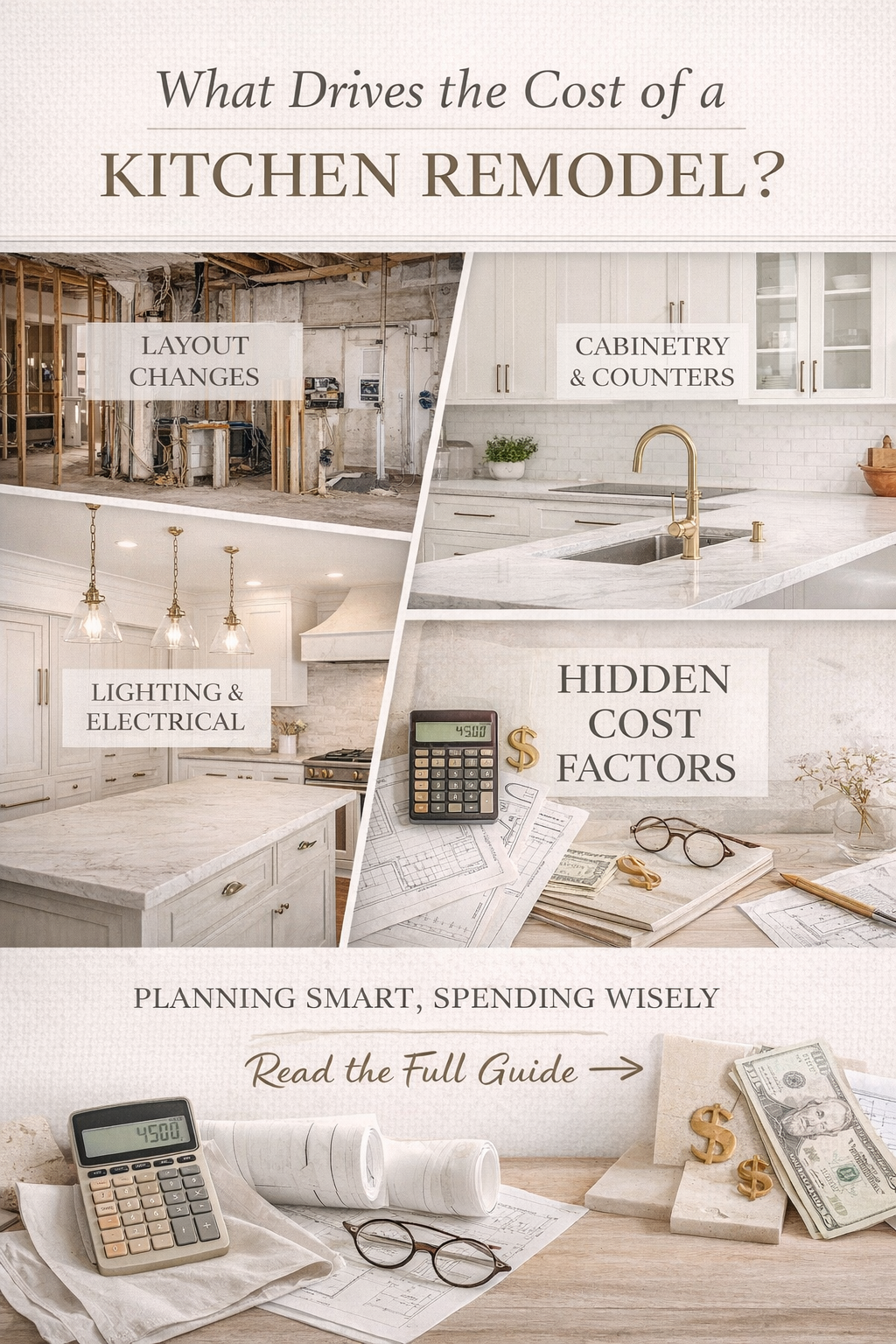
What Actually Drives the Cost of a Kitchen Remodel?
(And Why Two “Similar” Kitchens Can Have Very Different Price Tags)
One of the first questions homeowners ask when considering a kitchen remodel is simple:
“How much is this going to cost?”
The frustrating answer they usually hear is: “It depends.”
But the truth is — kitchen remodel costs aren’t mysterious. They’re driven by a predictable set of decisions and conditions.
At Everstead Design Build, we believe homeowners deserve clear, honest information so they can plan confidently and avoid surprises. This article breaks down what actually drives the cost of a kitchen remodel, why pricing can vary so widely, and how smart planning can help you invest where it matters most.
If you’re looking for broader guidance on planning a kitchen remodel in St. Louis, we recommend starting with our complete Kitchen Remodeling Guide here:
https://www.eversteaddesignbuild.com/kitchenremodelingguide
Why Kitchen Remodel Costs Vary So Much
You may have seen estimates online ranging anywhere from modest refreshes to six-figure remodels — and wondered how that’s possible.
The reason is simple:
kitchens are systems, not just finishes.
Every decision impacts another, and cost is driven more by scope and complexity than by one single choice.
Let’s walk through the biggest cost drivers.
1. Layout Changes (The #1 Cost Driver)
If there’s one factor that impacts kitchen remodel cost more than any other, it’s layout changes.
Keeping the layout the same
When sinks, ranges, dishwashers, and walls stay in place:
Plumbing and electrical work is minimized
Construction time is shorter
Costs stay more predictable
Changing the layout
Moving appliances, sinks, or walls adds cost because it often requires:
Plumbing relocation
Electrical rewiring
HVAC adjustments
Structural considerations
Permits and inspections
Even small layout shifts can create a ripple effect throughout the project.
👉 This is why a design-first approach is so important. A smart layout change can be worth the investment — but unnecessary changes can inflate costs without improving function.
2. Cabinetry (More Than Just Door Style)
Cabinetry is often the largest single line item in a kitchen remodel — and for good reason.
But cabinet costs aren’t just about color or style.
They’re driven by:
Cabinet construction & quality
Box materials and joinery
Soft-close hardware
Drawer construction
Configuration
Drawer-heavy designs (drawers cost more than doors, but add huge value)
Pantry cabinets
Tall cabinets to the ceiling
Specialty storage inserts
Customization level
Stock vs semi-custom vs custom cabinets
Modifications for ceiling height, appliance sizes, or layout constraints
At Everstead, we guide homeowners through cabinet decisions so they understand where upgrades add real daily value — and where they don’t.
3. Countertops & Backsplash Selections
Surface materials are highly visible — and their pricing can vary dramatically.
Countertops
Cost is influenced by:
Material type (quartz, quartzite, granite, porcelain)
Thickness
Edge profiles
Seams and layout complexity
Quartz remains a popular choice in St. Louis for its durability and low maintenance, while natural stone offers a one-of-a-kind look with added care requirements.
Backsplashes
Tile backsplashes are generally more budget-friendly, while:
Full-height stone backsplashes
Slab applications
add cost but create a seamless, elevated look.
4. Electrical & Lighting (Often Underestimated)
Lighting is one of the most commonly underestimated costs — and one of the most impactful upgrades.
A well-designed kitchen lighting plan often includes:
Recessed ceiling lighting
Under-cabinet task lighting
Decorative pendants
Dimmer switches
Updated outlets to meet current code
Older homes often require electrical updates once walls are opened, which can increase cost — but also improves safety and functionality.
5. Plumbing Fixtures & Appliance Planning
Small selections can add up quickly when combined.
Costs may increase based on:
Pot fillers
Instant hot water dispensers
Beverage refrigerators
Ice makers
High-end or panel-ready appliances
Venting requirements for professional ranges
Early appliance planning is critical. Appliance specs directly affect cabinet sizing, electrical needs, and hood design — and late changes can cause costly revisions.
6. Flooring Scope
Flooring costs depend on:
Whether existing flooring is reused, patched, refinished, or replaced
How far new flooring extends (kitchen only vs main living areas)
Material selection
Sometimes flooring decisions are driven by aesthetics — other times by practicality and long-term durability.
7. Permits, Code, and Existing Conditions
Every home has its own story — especially in St. Louis, where many homes are older.
Costs may be affected by:
Bringing systems up to current code
Discovering outdated wiring or plumbing
Structural considerations hidden behind walls
A transparent remodeling company plans for these possibilities and communicates clearly so homeowners aren’t caught off guard.
8. Level of Planning (This One Is Often Overlooked)
Poor planning doesn’t just cause stress — it costs money.
When decisions are rushed or made mid-construction:
Change orders increase
Timelines extend
Labor costs rise
A design-build process helps align layout, selections, and budget before construction begins — protecting both the homeowner and the project.
Why Two Kitchens With “Similar Finishes” Can Cost Very Different Amounts
Two kitchens might look similar on Pinterest — but behind the scenes they can differ dramatically in:
Layout complexity
Cabinet configuration
Electrical scope
Appliance requirements
Installation details
That’s why comparing bids without understanding scope often leads to confusion.
How to Control Kitchen Remodel Costs (Without Cutting Corners)
The goal isn’t to choose the cheapest options — it’s to invest wisely.
Smart cost-control strategies include:
Prioritizing layout and storage
Investing in cabinetry where it improves daily life
Choosing durable, timeless materials
Finalizing selections early
Working with a team that designs within your budget
Start With the Right Information
If you’re planning a kitchen remodel and want a clear understanding of what to expect — costs, timelines, and decisions — our Kitchen Remodeling Guide is the best place to start:
👉 https://www.eversteaddesignbuild.com/kitchenremodelingguide
It walks through the entire process step by step so you can plan with confidence.
Why Homeowners Work With Everstead Design Build
At Everstead Design Build, we don’t believe in vague estimates or surprise costs. We believe homeowners deserve clear options, realistic pricing, and a structured path forward from the very beginning.
That’s why our process starts with defined remodeling tiers — Standard, Premium, and Luxury — so you can understand what’s possible at different investment levels before moving into design details.
We believe in:
Clear, upfront pricing ranges through Standard, Premium, and Luxury options
Design guidance that aligns with your selected investment level, not the other way around
Transparent communication throughout the process
Thoughtful investment decisions that balance function, beauty, and long-term value
A remodeling experience that feels organized, guided, and intentional, not overwhelming
By establishing the budget framework first, we’re able to design efficiently, avoid costly redesigns, and help you make confident decisions that stay aligned with your goals.
If you’re considering a kitchen remodel in St. Louis and want a process that brings clarity to both cost and design, we’d love to help.
It’s Never Been a Better Time to Remodel Your Kitchen and Bathroom in St. Louis
If you’ve been thinking about remodeling your kitchen or bathroom—but waiting for the “right time”—here’s the truth: there has rarely been a better moment to invest in your home than now.
According to the Journal of Light Construction (JLC) Cost vs. Value Report, kitchen and bathroom remodels continue to rank among the highest-value home improvement projects nationwide. And for homeowners in St. Louis, that value is especially compelling.
At Everstead Design Build, we help homeowners turn those numbers into real, livable value—beautiful spaces that improve daily life and protect your investment.
What the JLC Cost vs. Value Report Tells Homeowners
Each year, the Journal of Light Construction analyzes remodeling projects across the country to measure how much value they return at resale.
The takeaway is clear:
Minor kitchen remodels consistently recoup a large percentage of their cost
Midrange bathroom remodels remain strong performers
Functional, well-designed updates outperform trend-driven renovations
Buyers continue to prioritize kitchens and bathrooms above all other spaces
In other words:
👉 Remodeling isn’t just about aesthetics—it’s a strategic investment.
Why Kitchen Remodels Deliver Such Strong ROI
Kitchens are the heart of the home—and buyers know it.
A well-planned kitchen remodel improves:
Flow and functionality
Storage and organization
Lighting and workspace
Overall home appeal
According to the JLC report, minor kitchen remodels often deliver one of the highest returns on investment because they focus on smart updates rather than unnecessary overhauls.
That’s where Everstead excels.
We guide homeowners through:
Cabinet upgrades (including semi-custom and custom cabinetry)
Countertop replacements
Lighting improvements
Layout refinements that improve daily use
Design choices that feel timeless—not trendy
The result is a kitchen that feels new, works better, and adds measurable value to your St. Louis home.
Bathroom Remodels: Small Spaces, Big Impact
Bathrooms may be smaller than kitchens, but their impact is just as powerful.
Midrange bathroom remodels continue to perform well because they:
Improve comfort and usability
Address outdated fixtures and finishes
Increase buyer confidence
Modernize the overall feel of the home
For homeowners not planning to sell soon, the benefit is immediate:
a bathroom that feels calm, clean, and functional every single day.
At Everstead, our bathroom remodels focus on:
Thoughtful layouts
Durable, easy-to-maintain materials
Smart storage
Elevated finishes that still feel livable
Why This Matters for St. Louis Homeowners
St. Louis homes have character—and that’s a good thing.
But many kitchens and bathrooms were built for a different era. Remodeling allows you to:
Preserve the charm of your home while improving function
Modernize without overbuilding
Increase value in established neighborhoods
Adapt your space to today’s lifestyle
With interest rates, housing inventory, and moving costs where they are, many homeowners are choosing to stay put and improve—and the JLC data supports that decision.
Remodeling Is About More Than Resale
While ROI matters, the real value of remodeling is how it changes your daily life.
A remodeled kitchen means:
Easier mornings
Better hosting
Less clutter
More enjoyment
A remodeled bathroom means:
A calmer start and end to your day
Better storage
A space that finally feels finished
At Everstead Design Build, we believe the best remodels deliver both financial value and quality-of-life value.
Why Homeowners Choose Everstead Design Build
Numbers matter—but experience matters more.
St. Louis homeowners choose Everstead because we offer:
An all-in-one design-build process
Clear, upfront planning
Concierge-level design guidance
Transparent pricing
Professional installation
Kitchens and bathrooms designed to last
We don’t just remodel spaces—we guide homeowners through a process that feels confident, intentional, and well managed from start to finish.
The Bottom Line
According to the Journal of Light Construction Cost vs. Value Report, kitchen and bathroom remodels remain some of the smartest investments homeowners can make.
And for St. Louis homeowners, the opportunity is clear:
Improve your home
Increase its value
Enhance how you live every day
If you’ve been waiting for the right time to remodel, that time is now.
👉 Ready to explore a kitchen or bathroom remodel in St. Louis?
Schedule a consultation with Everstead Design Build and let’s talk about your space.
Frequently Asked Questions About Kitchen & Bathroom Remodeling in St. Louis
-
Yes. According to the Journal of Light Construction Cost vs. Value Report, kitchen remodels continue to deliver strong returns on investment. For St. Louis homeowners, remodeling now allows you to improve daily living, increase home value, and avoid the rising costs of materials and labor over time.
-
Yes. Kitchen remodels consistently rank among the highest-value home improvement projects. Even minor kitchen remodels—such as updating cabinets, countertops, and lighting—can significantly improve resale value while also enhancing everyday functionality.
-
Absolutely. Bathroom remodels add both financial and lifestyle value. Updated bathrooms improve comfort, efficiency, and buyer appeal. Midrange bathroom remodels remain one of the most reliable projects for increasing overall home value.
-
The best ROI comes from smart, functional updates rather than overbuilding. High-value kitchen remodel upgrades include:
Cabinet replacements or refinishing
Updated countertops (quartz is especially popular)
Improved lighting and layout
Modern fixtures and finishes
Design-focused improvements that enhance flow and usability tend to outperform purely cosmetic trends.
-
It depends on your goals. If resale value is your priority, kitchens typically offer the strongest return. If daily comfort and functionality matter most, bathrooms often provide immediate lifestyle improvements. Many St. Louis homeowners choose to remodel both over time using a phased plan.
-
Kitchen remodel costs vary based on scope, materials, and layout changes. Minor kitchen remodels generally cost less and deliver strong ROI, while larger remodels offer greater personalization. Working with a design-build firm like Everstead helps ensure your budget is aligned with long-term value.
-
A design-build firm handles both design and construction under one roof. This approach improves communication, reduces delays, provides clearer pricing, and creates a more cohesive final result. Homeowners experience fewer surprises and a smoother remodeling process.
-
Timelines vary by project size and complexity. Minor kitchen remodels may take several weeks, while full kitchen or bathroom renovations take longer. A design-build firm provides realistic timelines upfront and manages every phase to keep projects on track.
-
Everstead Design Build offers an all-in-one design-build experience with a focus on quality, transparency, and thoughtful design. We help homeowners create kitchens and bathrooms that add lasting value—financially and functionally—while making the remodeling process clear and stress-free.
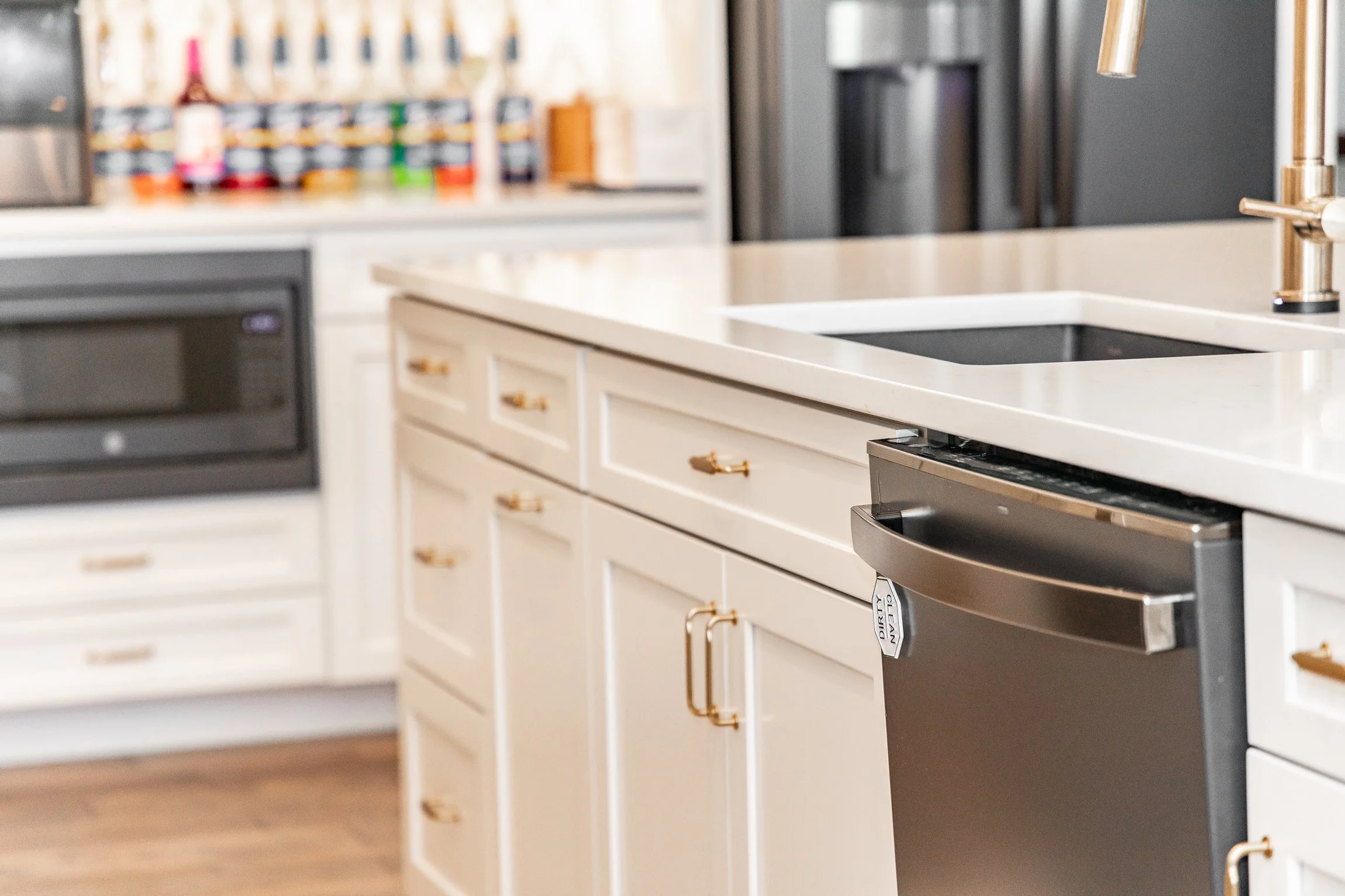
A Better Way to Upgrade Your Kitchen: The Semi-Custom Cabinet Experience at Everstead
When most homeowners hear the words “new kitchen cabinets,” they immediately think one of two things:
Fully custom cabinets — beautiful, but expensive and time-consuming
Big-box cabinets — affordable, but limited, overwhelming, and impersonal
What many homeowners don’t realize is there’s a third option that delivers the best of both worlds:
semi-custom cabinetry with a concierge design-and-install experience.
At Everstead Design Build, our semi-custom cabinet line was created for homeowners who want a beautiful, intentional kitchen—without the stress, guesswork, or premium price tag of fully custom cabinetry.
What “Semi-Custom” Really Means (And What It Doesn’t)
Semi-custom cabinets are often misunderstood.
They are not cookie-cutter.
They are not one-size-fits-all.
Our semi-custom cabinet line allows you to:
Choose your cabinet style
Choose your color
Customize layouts to fit your space
Upgrade features where it matters most
The difference?
You’re not paying for unnecessary complexity—you’re paying for smart customization.
The Concierge Cabinet Experience: How Everstead Is Different
Most cabinet purchases go something like this:
You walk into a showroom.
You’re handed catalogs.
You’re overwhelmed with options.
You’re left wondering if what you picked will actually look good together.
That’s not how we do it.
At Everstead, cabinetry is a guided, concierge experience designed to feel calm, intentional, and clear.
Here’s how it works:
1. We Help You Choose the Right Cabinet — Not Just Any Cabinet
We start by understanding how you live:
How often you cook
How you entertain
What frustrates you about your current kitchen
What you want to improve day-to-day
From there, we guide you toward cabinet styles and configurations that actually support your lifestyle—not just what’s trending.
2. You Choose Your Color (With Confidence)
Choosing a cabinet color shouldn’t feel stressful.
We help you select a finish that:
Works with your home’s architecture
Complements your countertops and flooring
Feels timeless (not trendy for six months)
You’re never left guessing or hoping it “turns out right.”
3. We Handle Everything — Measure, Order, Install
This is where the concierge experience really shines.
You don’t:
Coordinate installers
Manage deliveries
Worry about measurements
Chase timelines
We take care of the entire process—from precise measurements to professional installation—so your upgrade feels seamless, not disruptive.
Why This Option Delivers More Value (For a Fraction of the Cost)
Fully custom cabinets can be stunning—but they’re often overkill for what most homeowners actually need.
Our semi-custom cabinet line delivers:
High-quality construction
Beautiful finishes
Thoughtful storage solutions
A polished, cohesive look
All at a fraction of the cost of fully custom cabinetry—without sacrificing the end result.
The real value isn’t just the cabinets.
It’s the experience.
Perfect for Homeowners Who Want:
An upgraded premium kitchen
A faster, more predictable timeline
Professional design guidance
High-end results without a luxury price tag
One trusted team from start to finish
The Bottom Line
Great kitchens aren’t created by endless options—they’re created by good decisions, guided well.
Our semi-custom cabinet line was designed to give homeowners a stress-free, elevated experience that feels personal, thoughtful, and intentional—without paying for more than you need.
At Everstead Design Build, cabinetry isn’t just a product.
It’s a service.
An experience.
And often, the smartest first step toward loving your kitchen again.
👉 Curious if semi-custom cabinets are right for your home?
Schedule a consultation and let us guide you through your options—concierge style.
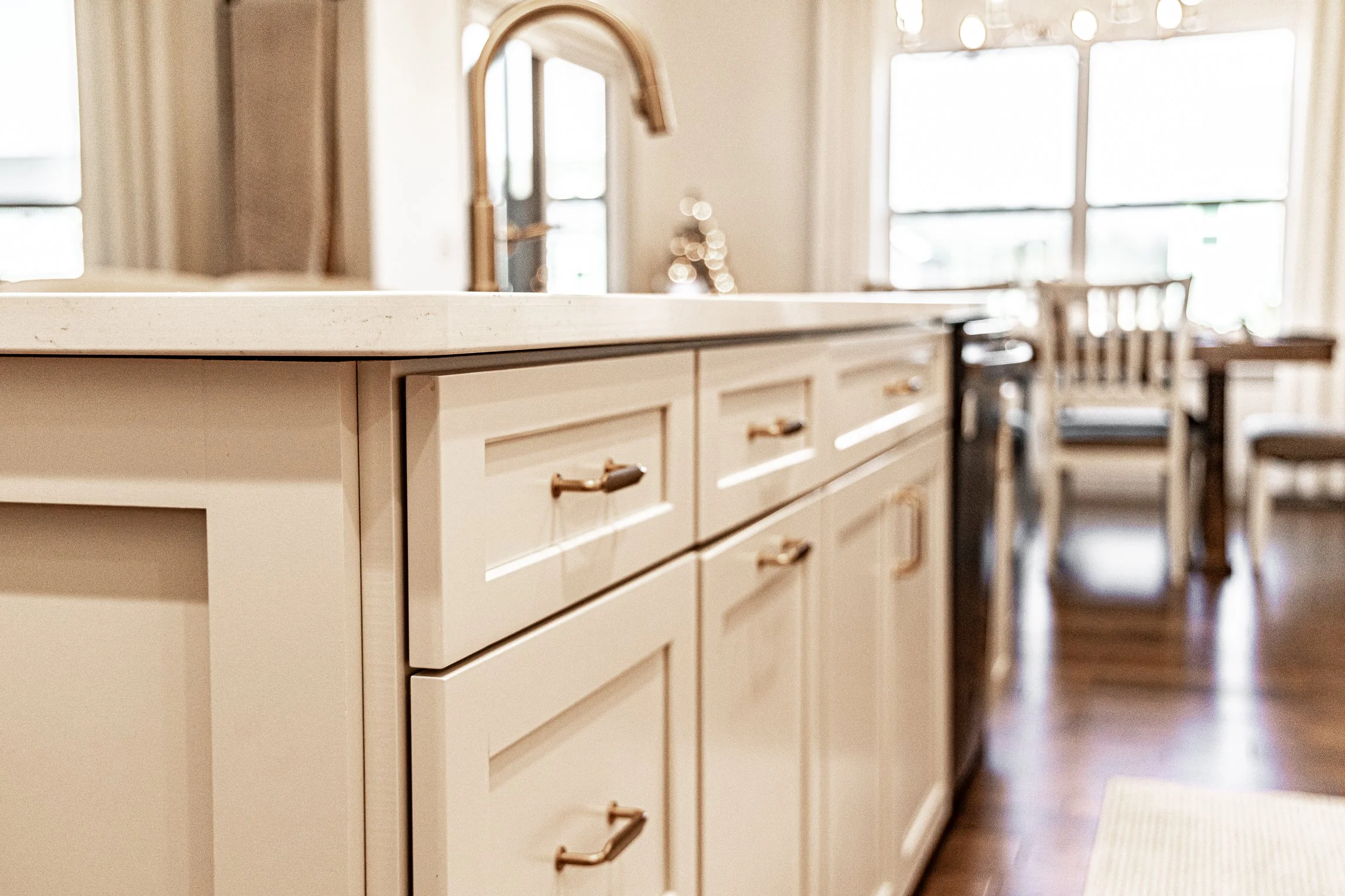
What’s In for 2026 Kitchen Design: Timeless, Warm, and Intentionally Livable
Accessible Beige Cabinets – a warm neutral that works beautifully in Midwest light
Kitchen design in 2026 is moving in a refreshing direction. Instead of chasing trends that feel dated in a few years, homeowners are choosing kitchens that feel warm, layered, and deeply livable—spaces that look beautiful and work hard for everyday life.
At Everstead Design Build, we’re already seeing these trends take hold in real homes across Greater St. Louis. Here’s what’s in for 2026 kitchen design—and why these choices are here to stay.
Cabinet Colors: Warm Neutrals Take the Lead
Bright white kitchens aren’t disappearing, but 2026 is all about soft warmth and depth.
Some of the most-requested cabinet colors we’re seeing come from Sherwin-Williams, including:
Accessible Beige – a warm neutral that works beautifully in Midwest light
Natural Linen – soft, calm, and timeless
Alabaster – still a favorite, but now paired with warmer stones and metals
Evergreen Fog – perfect for islands or lower cabinets
Urbane Bronze – a rich, grounding color for statement cabinetry
The key trend for 2026?
Cabinets that feel collected and intentional—not stark or trendy.
Stone Backsplashes: Full-Slab & Organic Movement
Tile backsplashes aren’t going away—but stone is stealing the spotlight.
For 2026, we’re seeing:
Full-height stone backsplashes
Quartz or quartzite carried from the countertop up the wall
Softer veining with organic movement
Minimal grout lines for a cleaner, more elevated look
Stone backsplashes feel timeless, upscale, and visually calming—especially when paired with warm cabinet colors.
Quartz Spotlight: Trevi Bianca (And Why We Love It)
One of our favorite quartz selections right now is Trevi Bianca.
Why it’s perfect for 2026 kitchens:
Soft, natural-looking veining
Warm undertones that pair beautifully with beige, cream, and greige cabinetry
Durable, low-maintenance, and family-friendly
Elegant without feeling cold or clinical
Other Quartz Options We’re Recommending for 2026:
Calacatta Laza–style quartz for subtle drama
Soft marble-look quartz with warmer veining
Low-contrast quartz for a more organic, relaxed feel
The trend is moving away from high-contrast, bold veining and toward quiet luxury.
Mixed Metals (But Done Thoughtfully)
In 2026, kitchens are embracing mixed metals—but in a more restrained way.
Popular combinations include:
Brushed brass hardware + matte black lighting
Champagne bronze faucets + soft stainless appliances
Warm metals paired with neutral cabinetry
The goal isn’t contrast for contrast’s sake—it’s balance and cohesion.
Concealed Function & Smarter Storage
Luxury in 2026 isn’t about showing everything—it’s about hiding clutter beautifully.
Trending features include:
Appliance garages
Hidden pantries
Integrated trash and recycling
Deep drawer storage instead of upper cabinets
Pull-out organizers designed for how families actually cook
Design is shifting toward kitchens that feel calm, even when life is busy.
Lighting That Feels Like a Layer, Not an Afterthought
Lighting in 2026 is softer, warmer, and more intentional.
We’re seeing:
Under-cabinet lighting as a standard (not an upgrade)
Warm-toned bulbs instead of harsh white light
Decorative pendants that feel sculptural
Small lamps on counters for ambient glow
Lighting is no longer just functional—it sets the mood.
The Big Picture: Kitchens That Feel Like Home
The biggest kitchen design trend for 2026 isn’t a color or material—it’s intention.
Homeowners want kitchens that:
Feel warm, not sterile
Are easy to live in, not precious
Reflect their lifestyle, not a showroom
At Everstead, we design kitchens to last—not just visually, but functionally and emotionally.
The Bottom Line
2026 kitchen design is about warmth, restraint, and thoughtful choices. From Sherwin-Williams cabinet colors to stone backsplashes and quartz like Trevi Bianca, the trend is clear: timeless over trendy, livable over loud.
If you’re thinking about remodeling in 2026, now is the perfect time to start planning a kitchen that feels just as good five years from now as it does on day one.
👉 Ready to design a kitchen that stands the test of time?
Schedule a consultation with Everstead Design Build.
5 Ways to Make Your Kitchen a Better Entertaining Space
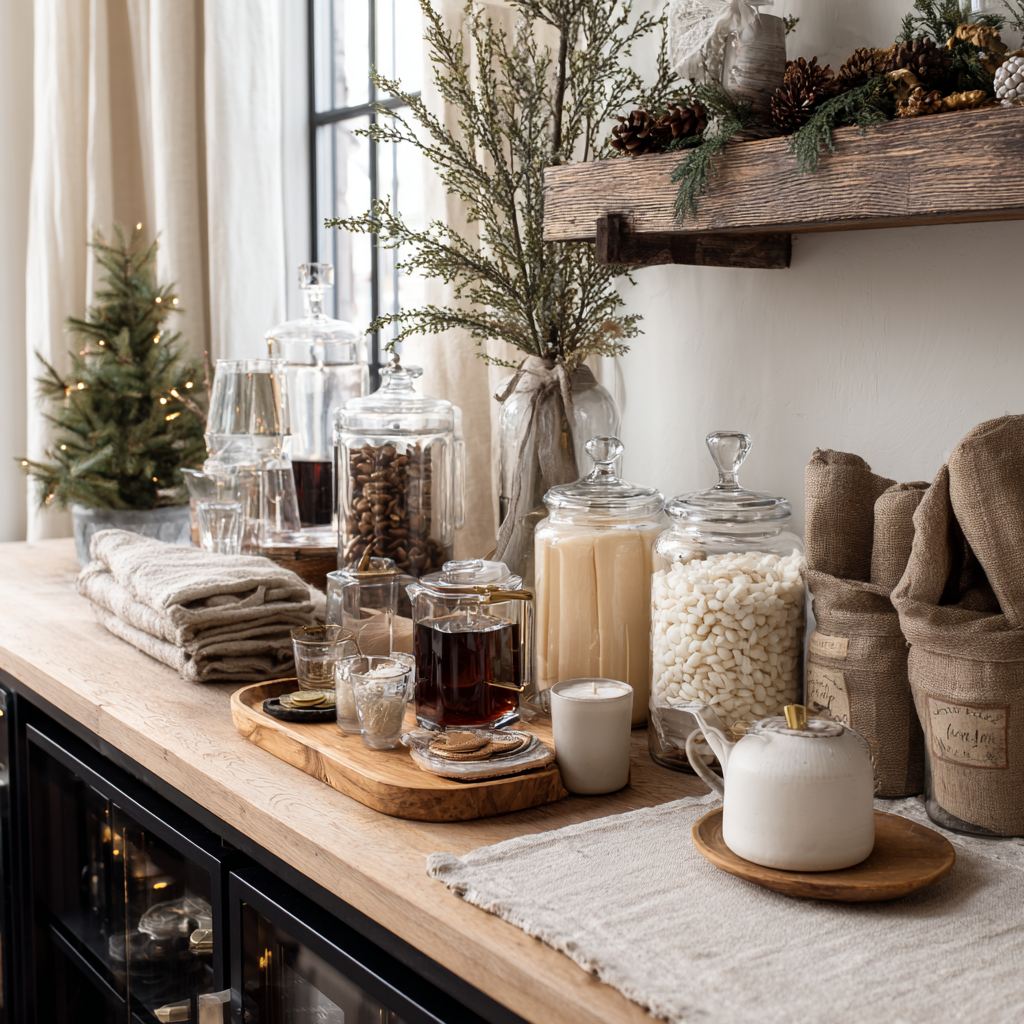
5 ways to make your kitchen a better entertaining space - beverage station- st. louis remodeling
It’s the first week of December, and while most people aren’t thinking about remodeling their kitchens, they are thinking about holiday gatherings, family dinners, and hosting friends.
And if you don’t love your kitchen? December is the month you feel it the most.
The good news is that you don’t have to wait for a full kitchen remodel to make your space feel welcoming, functional, and entertainment-ready. At Everstead Design Build, these are the 5 simple upgrades we recommend that can transform your kitchen right now—just in time for hosting.
1. Clear Your Counters for More Prep Space
One of the biggest complaints we hear from homeowners is,
“I don’t have enough counter space!”
Often, the problem isn’t the size of the countertops—it’s the clutter.
Before your next holiday gathering, remove anything that doesn't serve you daily:
Extra appliances
Decorative pieces
Mail piles
Recipe books
Duplicates
Your kitchen instantly feels larger, cleaner, and easier for guests to navigate.
2. Create a Beverage Station
When guests can serve themselves, hosting becomes easier and your kitchen flows better.
Your beverage station can include:
A tray with mugs, cocoa, coffee, and tea
A corner of the counter dedicated to wine, glasses, and an opener
A bar cart set up near the kitchen entry
A small spot with a pitcher, sparkling water, and cups
It keeps guests out of your prep zone and makes the kitchen feel intentional and organized.
3. Add Warm, Layered Lighting
Lighting sets the mood for every gathering. If your kitchen feels stark or dim, consider adding:
Plug-in under-cabinet lighting
A warm-tone bulb upgrade
A small lamp on the counter (yes, it’s a trend!)
Battery-operated puck lights inside cabinets
Layered lighting makes your kitchen feel cozy, high-end, and hospitality-focused—even without a remodel.
4. Use Trays and Baskets to Stay Organized
Instead of having items scattered across surfaces, group them with purpose.
Try:
A large tray for oils, seasonings, and cooking essentials
A basket for napkins, utensils, or snacks
Decorative boards for serving stations
This creates the look of a styled kitchen while also keeping everything functional and easy to access.
5. Rearrange for Better Flow
Even the best-designed kitchens can get congested when guests gather.
Before your next event, try adjusting the flow by:
Moving stools to create walking space
Clearing the island for serving
Designating a specific area for kids’ snacks
Relocating trash bins for easier access
These simple adjustments help guests move naturally without piling into one corner of the kitchen.
The Bottom Line
December may not be the month St. Louis homeowners start a major kitchen remodel—but it is the month they feel the limitations of their kitchen the most.
A few thoughtful changes can make your kitchen warmer, more functional, and more enjoyable for the holidays—no demo required.
And when January arrives and you’re ready to explore a full transformation?
Everstead Design Build is here to help you design a kitchen that works beautifully year-round.
👉 Ready to love your kitchen again in 2025? Schedule your free consultation today.
Remodeling Pitfalls You Can Avoid: A Homeowner’s Guide
Remodeling your home is exciting. You’ve been dreaming about a new kitchen, bathroom, or maybe even a whole-home update—and you’re finally ready to make it happen. But here’s the truth: not all remodeling experiences are created equal.
We’ve heard plenty of stories from homeowners who faced frustrating delays, surprise costs, or disappointing results. The good news? With the right preparation and the right team, most remodeling pitfalls are completely avoidable.
At Everstead Design Build, we believe your remodel should be smooth, transparent, and even enjoyable. Here are the most common pitfalls we see—and how you can steer clear of them.
1. Choosing the Lowest Bid Without Asking Questions
It’s tempting to go with the cheapest number on the table, but often that “deal” leaves out critical details. Incomplete quotes can mean hidden costs that show up later—and by then, you’re stuck.
Avoid it: Look for a contractor who provides a detailed, transparent estimate. Ask what’s included, what isn’t, and how they handle change orders.
2. Not Defining Your Budget (and Priorities) Up Front
Without a clear budget, it’s easy to get carried away with upgrades or face sticker shock when the final invoice arrives.
Avoid it: Decide early what you’re comfortable investing and which items are “must-haves” versus “nice-to-haves.” A good remodeler will help you maximize your budget without cutting corners.
3. Overlooking Function for Style
That trendy backsplash might look great on Instagram, but if your layout doesn’t work for daily life, you’ll regret it. A beautiful remodel still needs to function for your family.
Avoid it: Focus on workflow, storage, and lighting. Think about how you actually use the space before making design decisions.
4. Ignoring the Timeline
Homeowners often underestimate how long a remodel takes. If your contractor promises a 6-week kitchen remodel, but the average timeline is closer to 10–12 weeks, you could be setting yourself up for frustration.
Avoid it: Ask your contractor for a realistic timeline—including lead times for cabinets, countertops, and appliances. Build in a buffer so you’re not panicked if there are minor delays.
5. Poor Communication
One of the top homeowner complaints about remodels is not knowing what’s happening or when. Miscommunication leads to confusion, delays, and stress.
Avoid it: Choose a team with a clear communication system. At Everstead, we give clients access to a job portal where progress is updated daily—so you’re never left wondering.
6. Not Planning for the “During” Phase
Living through a remodel can be tough if you’re not prepared. Losing access to your kitchen or bathroom for weeks is a reality that many homeowners underestimate.
Avoid it: Work with your contractor to set up a temporary kitchen or bathroom. Plan ahead for meals, laundry, and routines during construction.
The Bottom Line
Remodeling doesn’t have to be stressful. By setting clear expectations, choosing the right team, and planning ahead, you can avoid the most common pitfalls and actually enjoy the process of transforming your home.
At Everstead Design Build, we guide homeowners through every step of the journey with honesty, transparency, and care—because your dream home shouldn’t come with nightmare surprises.
👉 Ready to remodel with confidence? Schedule your free consultation with Everstead today.

5 Reasons to Remodel Your Kitchen in the Fall in Greater St. Louis
Fall Kitchen Decor
When most people think about remodeling, they picture spring or summer projects. But here’s the truth: fall is one of the best times of year to remodel your kitchen in the Midwest.
At Everstead Design Build, we’ve found that starting projects in the fall gives homeowners unique advantages you don’t get at other times of the year. Here’s why:
1. Get Holiday-Ready
Fall remodeling puts you on track to enjoy your new kitchen for the most important gatherings of the year. Imagine preparing Thanksgiving dinner on brand-new quartz countertops, hosting Christmas Eve in an open-concept space where family and friends can gather around the island, or baking holiday cookies with your kids in a kitchen that finally feels like yours.
By starting in September or October, you give yourself enough time to complete the remodel before the holiday season. And even if your project runs close to December, the excitement of unveiling a fresh, functional kitchen for your guests is worth it.
2. Contractor Availability
Spring and summer are peak remodeling seasons, which means schedules can be packed, and lead times stretch longer. In the fall, things often slow down—giving you better access to crews, subcontractors, and even materials.
This can translate to:
Faster project start times
Shorter wait on custom cabinetry and specialty orders
More personalized attention from your project manager
In other words, your remodel gets a little extra breathing room—without the scheduling bottlenecks that come with high-demand seasons.
3. Seasonal Comfort During Construction
Remodeling a kitchen always comes with a bit of disruption—you may lose access to your main cooking space for several weeks. Fall weather in St. Louis makes it easier to manage this temporary inconvenience.
In the summer, 95-degree heat makes outdoor grilling less enjoyable. In winter, snow and freezing temps make eating outside unrealistic. But in the fall? It’s the sweet spot. You can:
Set up a temporary kitchen in the garage or on the patio
Grill dinner outside comfortably
Use slow cookers, air fryers, or toaster ovens indoors without overheating your home
This makes life during construction more manageable—and a lot less stressful.
4. Lock in Current-Year Pricing
Every January, material and labor prices typically go up. Cabinet manufacturers raise costs, appliance brands adjust pricing, and trades often update their rates. By starting your remodel in the fall, you get ahead of these increases.
That means:
You secure today’s pricing on cabinets, countertops, flooring, and appliances
You avoid paying more for the same project a few months later
You make your budget stretch further—especially on high-ticket items like cabinetry and stone countertops
It’s a smart way to protect your investment while still getting the remodel you want.
5. Start the New Year Fresh
A fall remodel positions you to step into the new year with momentum. Instead of staring at a kitchen that frustrates you, you’ll be starting 2026 with a space that inspires you.
Whether your goals include healthier cooking, more family dinners, or simply enjoying the beauty of your home, a remodeled kitchen makes daily life easier and more enjoyable. It’s also a boost to your home’s value, giving you confidence that your investment will pay off long-term.
The Bottom Line
While spring and summer may seem like the “traditional” times to remodel, fall offers some of the best opportunities for homeowners in Greater St. Louis. From contractor availability to holiday readiness, the timing just makes sense.
At Everstead Design Build, we can help you plan a fall remodel that keeps your home running smoothly while transforming your kitchen into the space you’ve been dreaming about.
👉 Thinking about remodeling this fall? Let’s talk. Schedule Your Free Consultation

What to Expect During a Kitchen Remodel
Brick floor kitchen remodel
Planning your dream kitchen? Here’s what really happens—step by step.
A kitchen remodel is one of the most rewarding upgrades you can make to your home—but it can also feel overwhelming if you’re not sure what to expect. At Everstead Design + Build, we believe a successful remodel starts with clarity. That’s why we walk every client through our proven 8-step process—so there are no surprises, just progress.
Whether you're just starting to gather ideas or you're ready to dive in, here’s what you can expect when remodeling your kitchen with us:
1. We Start by Listening
Your story is our blueprint. We’ll meet with you in your home to understand what’s working, what’s not, and what your ideal kitchen looks and feels like. We'll talk style, function, family flow, and investment range.
2. Precise Planning
Our team returns to take detailed measurements of your existing kitchen—walls, cabinetry, electrical, plumbing, and more. This ensures we’re designing within the realities of your home and not just on paper.
3. Dream to Design
With your goals in mind, we develop your design concept and create a transparent scope of work. You’ll see layout options, inspiration boards, and a detailed estimate—so you know exactly what’s possible.
Every Detail Defined
Once the concept is approved, we finalize cabinetry layouts, elevations, and materials. You’ll get a full design packet—clear, cohesive, and customized to you.
Curated Selections
No showroom overwhelm here. We guide you through selecting finishes like countertops, tile, lighting, and hardware—ensuring everything works together beautifully and within your budget.
Let the Work Begin
Our in-house teams (including SwiftCoat Cabinets & Painting) handle construction with precision and care. We manage scheduling, communicate consistently, and keep your home clean and safe throughout.
7. Final Refinement
After installation, we walk the space with you and complete any final touch-ups or tweaks. Every detail gets a second look—because quality is in the finish.
8. The Big Reveal
It’s time to step into your new kitchen. But our relationship doesn’t end here—we’ll follow up to make sure everything feels just right.
So, Is Now the Right Time?
If your kitchen no longer fits your lifestyle, feels dated, or lacks function, it might be time to explore what’s possible. And if you’re nervous about where to begin, we’ve got you covered—from first sketch to final brushstroke.
👉 Explore Our Kitchen Remodeling Services
👉 Book a Free Consultation

Creating a Spa-Like Bathroom at Home
It all begins with an idea.
Calm. Comfortable. Custom to You.
Your bathroom isn’t just where you start and end your day—it’s one of the most personal spaces in your home. And when designed well, it can feel like your own private retreat. At Everstead Design + Build, we believe every bathroom should blend functionality with comfort, beauty with simplicity.
If you're dreaming of a bathroom that feels more like a spa than a checklist of fixtures, here’s what to consider—and how we bring that vision to life.
Start with Mood, Not Materials
Before we talk tile and faucets, we focus on how you want to feel in the space.
Do you want it to feel clean and modern? Warm and grounded? Minimal and serene?
The design direction should support that emotional tone—and everything else flows from there.
Thoughtful Layout = Everyday Luxury
A spa-like bathroom isn’t just about beautiful finishes—it’s about flow.
We rework cramped layouts, remove bulky tubs, or reposition vanities to make the space more functional and intuitive.
Whether it’s opening up the shower or adding a double vanity, the layout should support your daily routine—not fight against it.
Materials that Invite Calm
We lean on materials that feel soft to the eye and the touch:
Large-format stone-look tile
Matte black or warm brass fixtures
Natural wood vanities
Organic textures like plaster, linen, or handmade tile
We also help clients choose a calming color palette—neutrals, earth tones, soft whites—that won’t feel dated a year from now.
Lighting That Soothes
Spa bathrooms are layered in light. We use a mix of:
Soft overhead lighting
Wall sconces for flanking mirrors
Accent or under-cabinet lighting for nighttime ease
The right lighting makes even a small bathroom feel elevated—and functional at any hour.
Details That Make the Difference
From towel warmers to floating vanities to curated art, it’s the little things that take a bathroom from “nice” to unforgettable.
We help you add those personal, high-end touches that make the space truly yours.
What It’s Like to Remodel Your Bathroom with Everstead
Every project follows our signature 8-step process—from our first conversation to the final walkthrough. We handle everything in-house, including cabinetry and finish work through our SwiftCoat team, so you get a cohesive result without the contractor runaround.
Whether you’re updating your primary bath or transforming a guest space, we’ll guide you every step of the way—with care, clarity, and craftsmanship.
👉 Explore Our Bathroom Remodeling Services
👉 Book a Free Consultation

Is a Whole-Home Remodel Right for You?
Whole Home Remodel
How to Know When It’s Time to Reimagine Your Space
Sometimes, it’s not just one room that feels off—it’s the whole flow of the house. If your space no longer fits your lifestyle, looks dated, or lacks cohesion, a whole-home remodel could be the solution. At Everstead Design + Build, we specialize in full-scale renovations that honor your home's character while giving it a thoughtful, modern upgrade.
Here’s how to know if a whole-home remodel is the right move for you—and what to expect when you choose to do it with Everstead.
Signs It Might Be Time for a Whole-Home Renovation
Your layout is disconnected or no longer fits your routine
You love your location, but not your home’s design
You’re juggling too many “small fixes” that don’t solve the bigger problem
You want your space to feel cohesive, elevated, and custom
You’re already thinking about remodeling multiple rooms—so why not bring it all together?
What Does a Whole-Home Remodel Include?
Every project is different, but most full-home renovations touch several key areas:
Kitchen reconfigurations and cabinetry
Bathroom upgrades or full gut remodels
Flooring and lighting updates throughout
Wall removals or structural rework
Paint, trim, and finish upgrades
Space planning or layout redesign
Custom cabinetry and built-ins through our in-house SwiftCoat team
In some cases, we even add square footage to support growing families, home offices, or aging-in-place needs.
Why It’s Better to Remodel Everything at Once
While it may sound counterintuitive, tackling a full-home remodel all at once can actually save time, money, and stress in the long run.
Here’s why:
You avoid mismatched finishes or out-of-sequence upgrades
You save on labor costs by combining trades into one timeline
You end up with a cohesive look and feel that flows from room to room
You make better design decisions with the full picture in mind
Why Homeowners Choose Everstead for Whole-Home Renovations
We get it—remodeling your entire home is a big deal. That’s why we bring structure and clarity to every step. With our 8-step process and fully in-house craftsmanship, we guide you from vision to completion with consistent communication, custom solutions, and pride in every detail.
From your initial walkthrough to the final reveal, you’ll know exactly what’s happening—and why.
👉 Explore Whole-Home Remodeling & Additions
👉 Book a Free Consultation

Why St. Louis Homeowners Choose Everstead
St. Louis Homeowner
Craftsmanship You Can See. A Process You Can Trust.
There are plenty of remodeling companies out there—but very few who approach your home like we do. At Everstead Design + Build, we’re not just in the business of renovations. We’re in the business of building lasting trust through timeless design, clear communication, and in-house craftsmanship that never cuts corners.
Here’s what makes Everstead the go-to design-build partner for St. Louis homeowners.
1. In-House Craftsmanship from Start to Finish
We don’t rely on a patchwork of subcontractors to carry your project across the finish line. Our in-house teams—including our SwiftCoat Cabinetry & Painting division—handle the details that matter most. This means:
More control over quality
Better communication
A smoother, faster process from start to finish
When the same team designs, builds, and finishes your space, the results speak for themselves.
2. A Proven, 8-Step Remodeling Process
We’ve refined our process to guide you with confidence, not confusion. From the initial consultation to the final walkthrough, you’ll always know what to expect—and who to call.
It’s remodeling, made clear.
3. Design That Reflects You—Not Just the Trends
At Everstead, we don’t design for Pinterest. We design for people. That means asking better questions at the start—about how you live, what’s not working, and what matters most. Every layout, finish, and fixture is chosen with purpose so that your home doesn’t just look beautiful—it works beautifully, too.
4. Integrity You Can Feel
We treat your home like it’s our own. We show up on time. We communicate clearly. And we follow through—on every detail. That’s not a tagline—it’s the way we work, and it’s why our clients come back again and again.
5. Local Roots. Legacy-Level Quality.
Based in St. Louis, we’re proud to serve homeowners across the area who care about quality and value honest relationships. We’re not trying to be the biggest firm in town—just the most trusted.
Considering a Remodel?
Let’s talk. Whether you’re dreaming of a new kitchen, an updated bath, or a full-home transformation, we’d be honored to be part of the process.